Get the Why Behind Your Life Insurance Options in La Palma, CA
Short, direct explanations of term life and whole life insurance: what each kind is for, what pushes the price up or down and what applying involves. Read at your own pace, then share a few details through our short form in about two minutes. We help people in La Palma, Cypress, Cerritos and the towns around them.
- Free to use
- No purchase required
- Price factors set out first
- Agents licensed in California

Free, no obligation
See your coverage options
Six short questions. About two minutes.
Term life and whole life, side by side
Two kinds of policy cover most of what people look at. Term life lasts a set number of years, and many people match that span to a mortgage or to the years their children rely on them. Whole life lasts as long as you do and carries cash value, a part of the policy the agent you speak with can explain in detail. Each has its own page, Term Life Insurance and Whole Life Insurance, with more on how it works.

Term Life Insurance
Term life lasts a fixed number of years, commonly 10, 20 or 30, and pays the person you name if you die before it ends.

Whole Life Insurance
A plain look at whole life coverage: how it stays in force for life, what cash value is, what shapes its price, and what to ask the agent you speak with.
How it works, step by step
Here is the whole path laid out, so you know what comes next. You can stop at any point.
- 1
Answer a few questions
Start with our short form. In about two minutes you note the coverage amount you have in mind, your date of birth and who you would name as beneficiary.
- 2
Talk through your options
A licensed agent who works with people in your area gets in touch to go over what is available. Bring up term or whole life, the amount, how long coverage would run and anything that puzzles you. That conversation is between you and the agent.
- 3
Apply only if you want to
Should you go ahead, the application includes health questions and may require a medical exam. Some policies need no exam, but they usually cost more or cover less.
- 4
The insurer makes the call
The insurance company reviews the application and decides. If it is approved, the policy arrives with all its terms in writing. Read it carefully and put any unclear line to the agent.
How we work with you
Life insurance touches money and family, so the questions are real ones. We keep the explanations short and leave the decision with you.
Explanations come first
The basics sit right here on the page: what each kind of policy is for, what moves the price and how applying goes. You can read every word before you share a single detail about yourself.
Your details go along with you
What you share through our short form goes to the agent who gets in touch. That conversation picks up from your details, so you are not starting over from scratch.
Calm words, no pressure
We describe what coverage is for and leave fear out of it. Nobody here tells you what to buy or how much to carry. Those choices belong to you and the agent you talk with, with the facts laid out in front of you.
Decide on your own schedule
Hearing options does not commit you to anything, and no purchase is required at any point. Take your time, compare term with whole life, talk it over with family, or set the whole thing aside for later.
Where we help
We help people in La Palma and in Buena Park, Norwalk, Lakewood, Bellflower, South Whittier, Cypress, Cerritos, La Mirada, Stanton and Santa Fe Springs. Whichever town you call home, you share the same few details and hear back from an agent licensed in California who works with people near you.
- La Palma
- Buena Park
- Norwalk
- Lakewood
- Bellflower
- South Whittier
- Cypress
- Cerritos
- La Mirada
- Stanton
- Santa Fe Springs
Nothing about how this works changes from one town to the next, and the final choice is always yours. The Service Areas page has the full list.
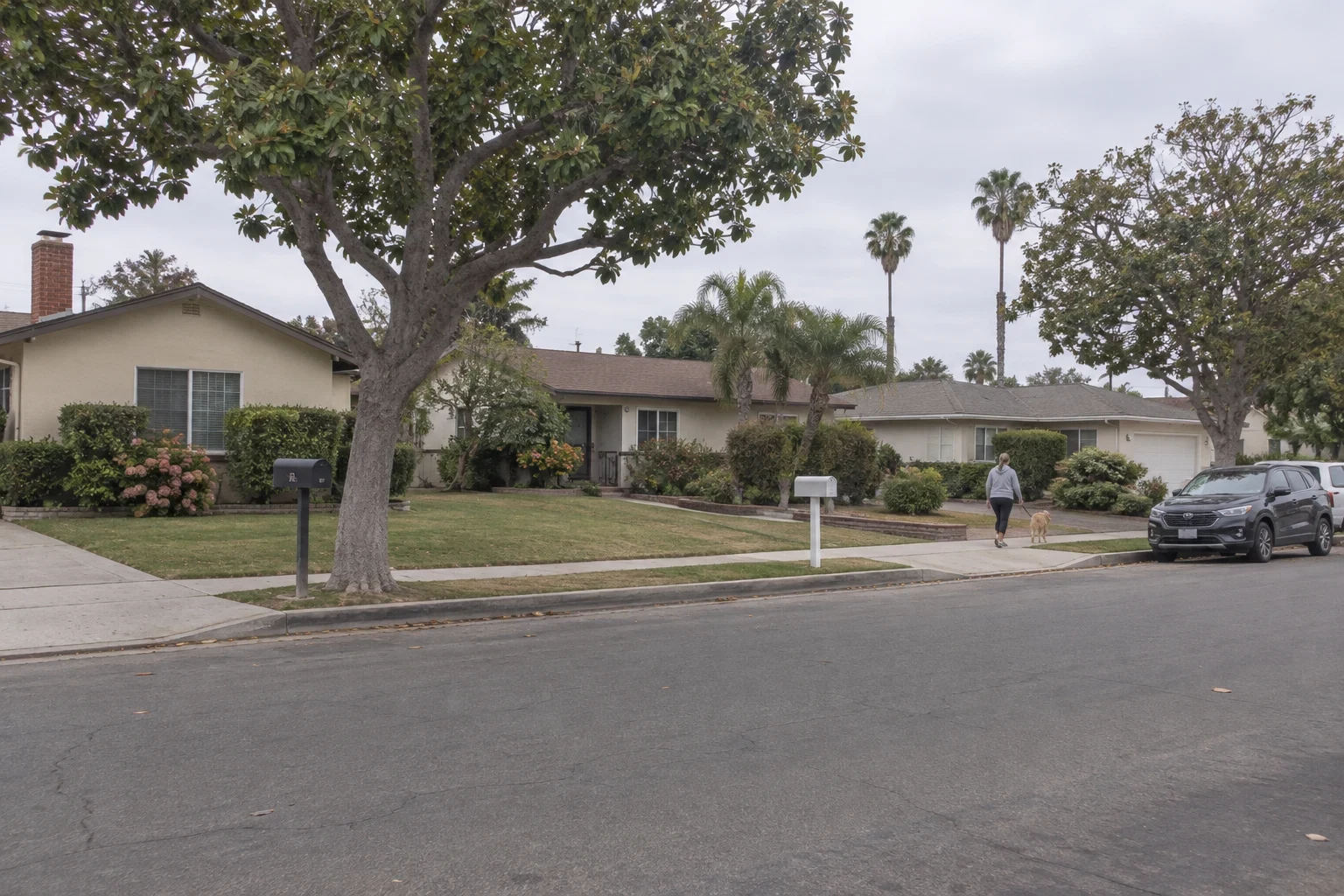
What sets the price of a policy
Only a handful of things shape what a life policy costs. They explain why two people asking about the same amount can see very different figures. The insurance company sets the price and decides on coverage and approval; we do not.
Sending your details does not produce a price. The agent who contacts you can show how each factor applies to you before you decide whether to apply.
- Age when coverage begins
- The age you are on the day a policy starts carries a lot of weight. Insurers price the years ahead, so identical coverage tends to cost more when it begins later.
- Health, past and present
- Earlier conditions and your health today both affect the price. That is why an application carries a long list of health questions.
- Tobacco use
- Smoking or other tobacco use typically raises the price noticeably. The application asks about it directly, and honest replies keep it on solid ground.
- How much coverage you want
- A larger amount means a higher price. People often start from a figure linked to their income and debts, then adjust it until the monthly cost is something they can carry year after year.
- Length of the term
- For term life, covering more years generally costs more than covering fewer. Matching the term to how long the need lasts avoids paying for years you may not need.
- Kind of policy
- At the same amount, whole life usually costs more than term. Whole life stays in force for life and builds cash value, while term runs for a fixed stretch and then stops.

About Life Insurance La Palma
Life Insurance La Palma is a free service, and what it does is simple: it links you up with a licensed life insurance agent in California. That link is our entire role. We are not an insurance company or an agent, and we never sell, price, recommend or issue a policy.
We keep our part small on purpose. We set out how life insurance works in everyday language, then hand your details to an agent so you can hear options that apply to you. Whether to buy, and what to buy, stays your call at every step.
Questions people ask first
How much coverage do people usually look at?
A common rule of thumb adds several years of income to the debts you carry. Treat it as a rule of thumb, not advice for you. Purely as an example: Census figures for La Palma (American Community Survey, 2023) show a median household income of $115,833, so five years of that is one possible starting point. The median home value there is $916,600 and 69% of homes are lived in by their owner, which is why many people also add what is left on a mortgage. Your own figures count for far more than any median.
Is a life insurance payout taxed?
Usually not. Under federal law, a payout to a named person is generally not treated as taxable income. Individual circumstances can differ, so ask a tax adviser how it applies in your own case.
What if I change my mind after the policy arrives?
Policies include a free-look period lasting no less than 10 days. During that time you may cancel the policy and receive a refund. The policy itself states the exact length, so check for it when the documents reach you.
Are there other kinds besides term and whole life?
Two others come up often. Universal life also lasts for life, but some parts of it can be adjusted as the years go by. Final expense is a small whole life policy aimed at funeral costs. The agent who contacts you can explain either one.
What should I have ready before I start?
Have a rough coverage amount in mind, along with your date of birth and the name of the beneficiary you would choose. A quick note of your debts and how long your family would lean on your income helps too. Nothing has to be precise at this stage.
Why do people usually buy life insurance?
Common reasons include replacing a paycheck that stops, clearing a mortgage, paying for children's costs, covering a funeral and leaving money to family. Most people focus on one or two of these. Knowing your main reason makes the choice between term life and whole life easier to think through.
Ready when you are
Read whatever you want first. Once the timing works for you, answer a few questions and find out which policies could suit you, without any rush.